Bankroll Adaptation Methods for Handling Live Fluctuations in Golf and Football Markets
Yves Griffin · Aug 8, 2026
Bankroll Adaptation Methods for Handling Live Fluctuations in Golf and Football Markets
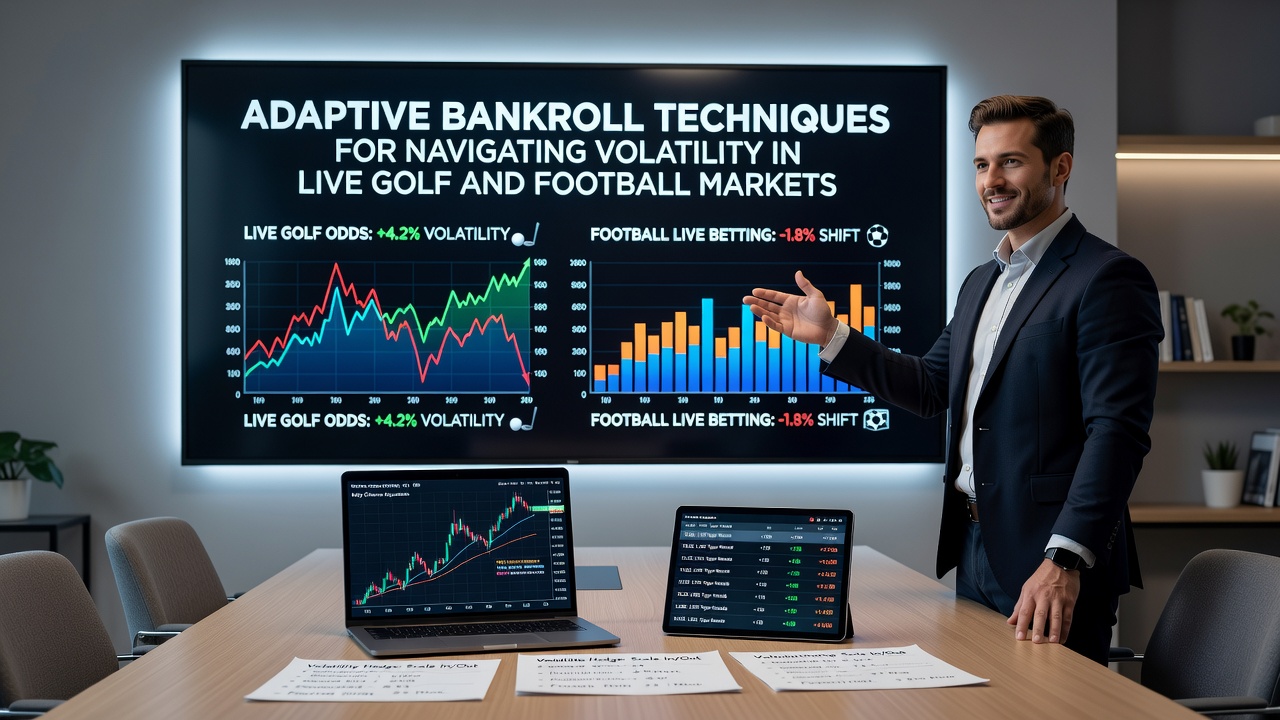
Live markets in golf tournaments and football matches create rapid odds shifts that demand precise bankroll adjustments, and data from multiple betting platforms show these changes often exceed 20 percent within single events during peak August 2026 schedules. Researchers at academic institutions across North America and Europe have documented how bettors who apply fixed-percentage staking reduce drawdown exposure compared with those who rely on static unit sizes. Observers note that volatility spikes most sharply in live golf when players approach the final rounds of majors, whereas football matches see similar swings after red cards or late goals alter expected outcomes.
Studies conducted by the Canadian Centre for Gaming Research indicate that adaptive models incorporating real-time variance metrics help maintain capital across extended sessions, and these approaches integrate elements of the Kelly Criterion modified for live conditions. Those who track historical swing data for specific tournaments discover patterns where golf live odds fluctuate more than football equivalents due to weather variables and individual player performance metrics, while football volatility stems from team dynamics and referee decisions that unfold quickly.
Core Principles Behind Adaptive Staking
Experts have observed that successful bankroll techniques begin with establishing a base unit tied to total available capital, then scaling exposure according to live market confidence intervals rather than pre-match assessments. Data shows that applying a 1 to 3 percent range per bet in high-volatility phases prevents rapid erosion during streaks of adverse results, and this method proves especially relevant when August 2026 schedules overlap with major golf events and European football leagues restarting after summer breaks. One study revealed that punters who recalculate unit sizes after every three to five live bets achieve steadier long-term retention rates than those who adjust only at session starts.
Adjustments for Golf Live Markets
Golf live betting features extended timelines that allow for incremental bankroll recalibrations between holes, and analysts at Australian wagering research bodies report that momentum shifts in individual player form require smaller percentage bets during early rounds followed by cautious increases when leaderboards stabilize. Observers note patterns where late-round volatility in majors demands tighter caps on exposure because sudden wind changes or bunker recoveries can swing implied probabilities by double-digit margins within minutes. Those who monitor shot-by-shot data feeds often combine them with running bankroll percentages to avoid overcommitment during unpredictable stretches.
Football Market Adaptations
Football live markets move faster because goals and cards produce immediate odds resets, and figures from European industry reports highlight that adaptive bettors who pause staking after two consecutive losses maintain better capital preservation across matchdays. Research indicates that percentage-based reductions during high-uncertainty periods, such as extra time in knockout fixtures, correlate with fewer total wipeouts over full seasons. Punters who review in-game statistics feeds discover opportunities to scale up modestly when possession and shot data align with pre-identified value thresholds, yet they simultaneously tighten limits when substitutions introduce fresh variables.
Combining Both Sports in One Session
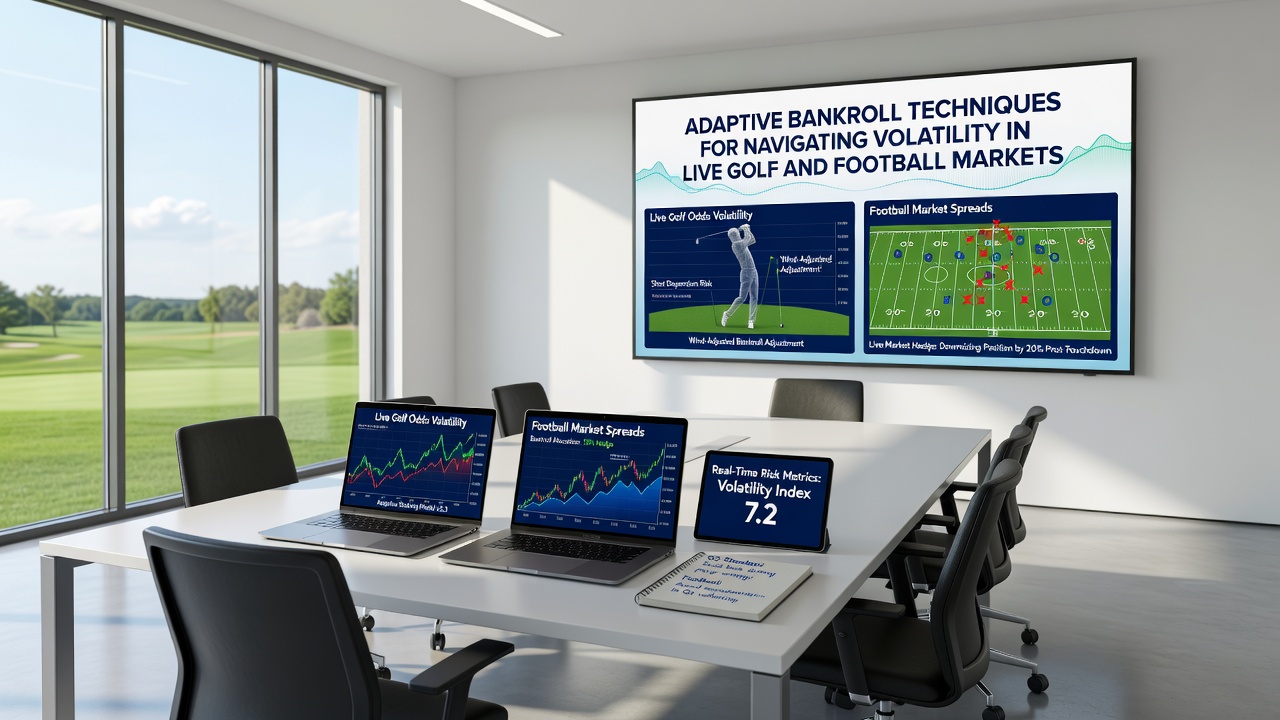
Bettors who alternate between golf and football markets within the same day often apply a unified variance adjustment protocol, and industry data compiled by the Nevada Gaming Control Board demonstrate that cross-sport diversification lowers overall portfolio volatility when staking rules remain consistent. Those who allocate separate sub-budgets for each sport while sharing a master percentage cap find they can respond to simultaneous live swings without depleting reserves. Evidence suggests that tracking cumulative exposure across both markets prevents the common error of overextending after a single strong golf result influences decisions on an ongoing football fixture.
Practical Implementation Steps
Implementation starts with logging opening bankroll figures and establishing daily loss thresholds that trigger automatic reductions in unit size, and this process continues with real-time updates drawn from live data streams. Analysts recommend reviewing historical volatility indices for specific events before committing capital, then applying dynamic multipliers only when live conditions match predefined criteria. Observers note that software tools capable of pulling odds feeds and recalculating percentages in the background help maintain discipline during August 2026 tournament clusters when multiple events run concurrently.
Case examples drawn from aggregated platform records show that users who enforced strict rebalancing after each live settlement achieved higher survival rates through volatile stretches compared with those who allowed fixed stakes to persist. Research indicates that combining these techniques with periodic audits of past performance metrics reinforces adherence over time.
Conclusion
Adaptive bankroll techniques centered on percentage scaling and variance monitoring provide structured responses to the rapid changes characteristic of live golf and football markets, and ongoing data collection from regulatory and academic sources continues to refine these methods for future application across overlapping seasons.